
Innovation directions of silicon carbide modification technology
Innovation Directions of Silicon Carbide Modification Technology
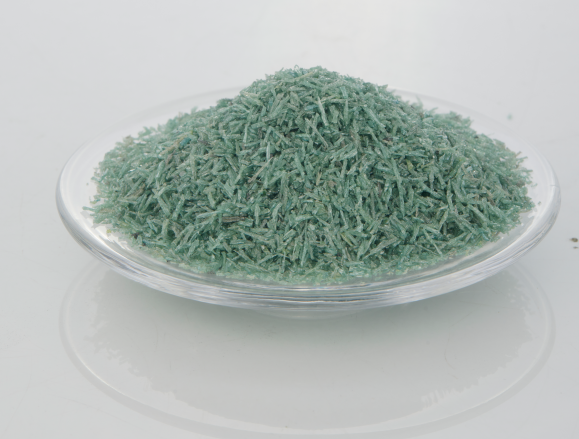
With the continuous development of science and technology, the innovation directions of silicon carbide modification technology are increasingly attracting attention. Traditional methods of silicon carbide modification mainly focus on surface modification and doping modification. However, these methods often suffer from issues such as unstable modification effects and complex modification processes. Therefore, exploring new silicon carbide modification technologies has become a current research hotspot.
In recent years, the rise of nanotechnology has provided new ideas for silicon carbide modification. By introducing nanomaterials into the silicon carbide matrix, its mechanical and thermal properties can be significantly improved. For example, studies have shown that introducing nano-alumina into silicon carbide ceramics can significantly enhance the hardness, flexural strength, and thermal stability of the ceramics. This nanocomposite modification method not only improves the performance of silicon carbide but also broadens its application fields.
In addition to nanotechnology, bio-inspired materials have also brought new insights into silicon carbide modification. Certain natural materials in the biological world, such as shells and spider silk, possess excellent mechanical properties and self-healing capabilities. By mimicking the structures of these natural materials, novel silicon carbide composite materials can be designed. For instance, some researchers have used bio-inspired materials to fabricate silicon carbide ceramics with self-healing functions. These ceramics can automatically repair cracks after damage, thereby extending their service life.
Furthermore, with the development of artificial intelligence and big data technologies, the silicon carbide modification process can also achieve intelligence and precision. By real-time monitoring and analyzing various parameters during the modification process, the modification process can be optimized and the modification efficiency improved. At the same time, using big data technology to predict and evaluate the performance of modified silicon carbide materials can provide strong support for material design.
In summary, the innovation directions of silicon carbide modification technology involve multiple fields such as nanotechnology, bio-inspired materials, and artificial intelligence. These innovative technologies can not only enhance the performance and application fields of silicon carbide but also promote the development of related industries. In the future, with continuous technological progress and innovation, silicon carbide modification technology will embrace even broader development prospects.