
Synthesis methods of high-purity SiC powder
High-puritySynthesis Methods of SiC Powder
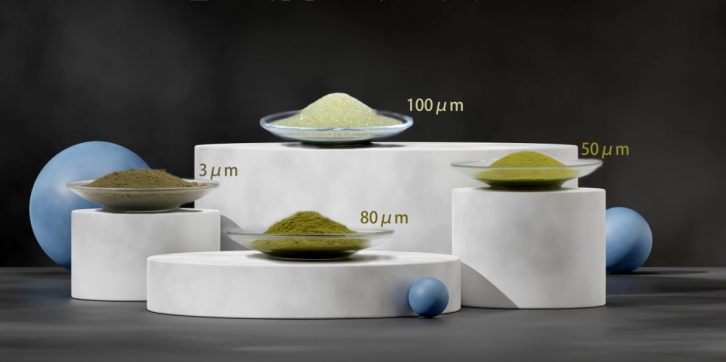
High-purityThe synthesis methods of SiC powder are crucial for single crystal growth. Currently, there are two main methods: the CVD method and the self-propagating synthesis method.
The CVD method is a commonly used chemical vapor deposition technique, which generates SiC powder by decomposing and reacting silicon and carbon source gases at high temperatures. The self-propagating synthesis method, on the other hand, is a synthesis approach based on chemical reaction heat, which initiates a self-sustaining chemical reaction by igniting the reactant preform, thereby synthesizing SiC powder.
The traditional self-propagating synthesis method primarily uses silicon powder and carbon black as raw materials, along with an activator, to rapidly react at high temperatures and generateSiC powder.Howeverthe introduction of an activator may affect the purity and quality of the product. Therefore, researchers have proposed an improved self-propagating synthesis method, which ensures the continuous and effective progress of the synthesis reaction by increasing the synthesis temperature and providing sustained heating, thus avoiding the introduction of an activator. The improved self-propagating synthesis method offers the advantages of simple processing and low cost, and has been widely applied in the growth ofSiC single crystals.
Nevertheless, there are still some key issues that need to be addressed during the synthesis process. For example, the choice of synthesis temperature directly affects the purity and crystal form of the product; excessively high or low temperatures can lead to undesirable reaction outcomes. Additionally, the morphology and ratio of raw materials are also important factors influencing the synthesis effect, requiring precise control and optimization.
To further improve the efficiency and product quality of the self-propagating synthesis method, future research can be carried out from the following aspects: first, optimizing the selection of synthesis temperature and pressure parameters to find suitable conditions that enhance product purity and crystal form; second, studying the influence of raw material morphology and ratio on the synthesis process to identify the optimal formulation combination for improving synthesis efficiency and product quality; third, exploring new self-propagating synthesis methods, combining advanced heating technologies and reaction control means to achieve more precise and efficientsynthesis of SiC powder.
Currently, the industry widely adopts the improved self-propagating method for synthesizingSiC, and it has been found during the synthesis process that different synthesis process parameters have a certain impact on the synthesized product.