
Exploration and Application of Silicon Carbide Modification (I)
Exploration and Application of Silicon Carbide Modification(I)
I.Basic Properties and Applications of Silicon Carbide
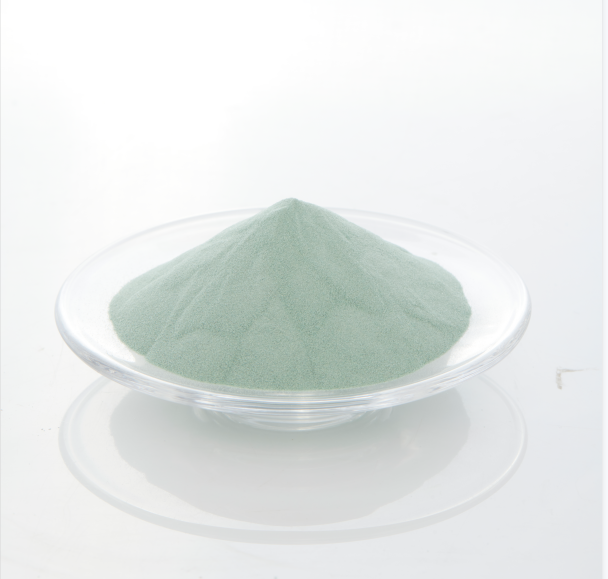
Silicon carbide (SiC) is a ceramic material with unique properties, renowned for its high hardness, high strength, high thermal stability, and excellent chemical stability. These fundamental properties make silicon carbide widely applicable in multiple fields.
In terms of physical properties, the hardness of silicon carbide is second only to diamond, making it an ideal material for manufacturing wear-resistant, corrosion-resistant, and high-strength components. For example, in the aerospace field, silicon carbide is used to manufacture key components such as engine combustion chambers and nozzles, capable of withstanding extremely high temperatures and pressures. Additionally, the high thermal stability of silicon carbide also makes it widely used in fields such as nuclear energy, ceramics, and metallurgy.
In terms of chemical properties, silicon carbide exhibits good chemical stability, resisting erosion by various acids, bases, and oxidants. This characteristic gives silicon carbide significant application value in the chemical industry, such as in the manufacture of corrosion-resistant pipes, valves, and pumps.
Beyond the aforementioned basic properties, silicon carbide also possesses good electrical and thermal conductivity, making it widely used in the electronics and semiconductor fields. For instance, silicon carbide is used to manufacture high-temperature electronic devices and semiconductor materials, capable of meeting working requirements under extreme conditions such as high temperature, high power, and high frequency.
In summary, the basic properties of silicon carbide make it a versatile material with broad application prospects in fields such as aerospace, nuclear energy, the chemical industry, electronics, and semiconductors. With the continuous development of science and technology, the application fields of silicon carbide will continue to expand, and its position in the future of materials science and technology will become even more important.
II.The Necessity of Silicon Carbide Modification
The necessity of silicon carbide modification stems from its unique physical and chemical properties, as well as its widespread application in modern industry. As a high-performance inorganic non-metallic material, silicon carbide features high hardness, high strength, high thermal stability, and good chemical stability. However, pure silicon carbide materials suffer from issues such as high brittleness and processing difficulties in certain applications, limiting their broader use. Therefore, through modification treatments to improve the performance of silicon carbide materials and expand their application fields, there is significant practical significance and broad application prospects.
For example, in the aerospace field, silicon carbide materials are widely used in engine hot-end components due to their high-temperature stability and good mechanical properties. However, pure silicon carbide materials are highly brittle and prone to fracture under high-speed operation and high-temperature environments. Thus, through surface modification treatments, such as introducing oxide coatings or metal coatings, the toughness and thermal shock resistance of silicon carbide materials can be enhanced, meeting more demanding working environment requirements.
Furthermore, in the new energy field, silicon carbide materials also show great application potential. For instance, in the photovoltaic industry, silicon carbide can serve as a material for high-efficiency solar cells, improving photoelectric conversion efficiency. However, the limited light absorption performance of pure silicon carbide materials restricts the improvement of their photoelectric conversion efficiency. Through doping modification treatments, such as introducing impurities like nitrogen or aluminum, the optical properties of silicon carbide materials can be regulated, enhancing their light absorption capacity and photoelectric conversion efficiency.
In summary, the necessity of silicon carbide modification lies in improving its performance to expand its application fields and meet the demand for high-performance materials in modern industry. By conducting in-depth research on the basic principles and methods of silicon carbide modification, we can continuously advance the development and application of silicon carbide materials, making greater contributions to technological progress and social development.
III.Current Research Status of Silicon Carbide Modification
In recent years, significant progress has been made in the research on silicon carbide modification. With the continuous advancement of technology, the performance requirements for silicon carbide materials have become increasingly stringent. Currently, research on silicon carbide modification mainly focuses on improving its physical properties, chemical stability, and expanding its application fields.
In terms of physical properties, researchers have significantly enhanced the hardness, thermal conductivity, and thermal shock resistance of silicon carbide materials through methods such as surface modification, doping modification, and composite modification. For example, introducing rare earth elements for doping modification can effectively improve the high-temperature oxidation resistance of silicon carbide materials, extending their service life. Additionally, silicon carbide composite materials prepared using nanotechnology exhibit excellent toughness and wear resistance while maintaining high hardness.
In terms of chemical stability, important breakthroughs have also been achieved in silicon carbide modification research. By introducing specific chemical groups or bonds, researchers have successfully improved the resistance of silicon carbide materials to harsh environments such as acids and bases. This not only broadens the application fields of silicon carbide materials but also provides possibilities for their use in extreme environments.
It is worth mentioning that silicon carbide modification research also involves interdisciplinary integration. For instance, knowledge and technologies from fields such as materials science, chemical engineering, and nanotechnology have provided strong support for silicon carbide modification research. This cross-disciplinary collaboration and exchange have not only promoted the in-depth development of silicon carbide modification research but also offered valuable insights and inspiration for research in other fields.
Looking ahead, silicon carbide modification research still faces numerous challenges and opportunities. With the continuous emergence of new materials and technologies, silicon carbide modification research is expected to achieve breakthroughs in more fields. At the same time, we should recognize that silicon carbide modification research is not only about the progress of materials science but also about the development and progress of human society. Therefore, we should continue to intensify research efforts, promote the in-depth development of silicon carbide modification research, and make greater contributions to the sustainable development of human society.